Taylor Otto · 14 October 2026
Vocational Programs in Poland Adopt Pulseforge for Targeted Technical Skill Building
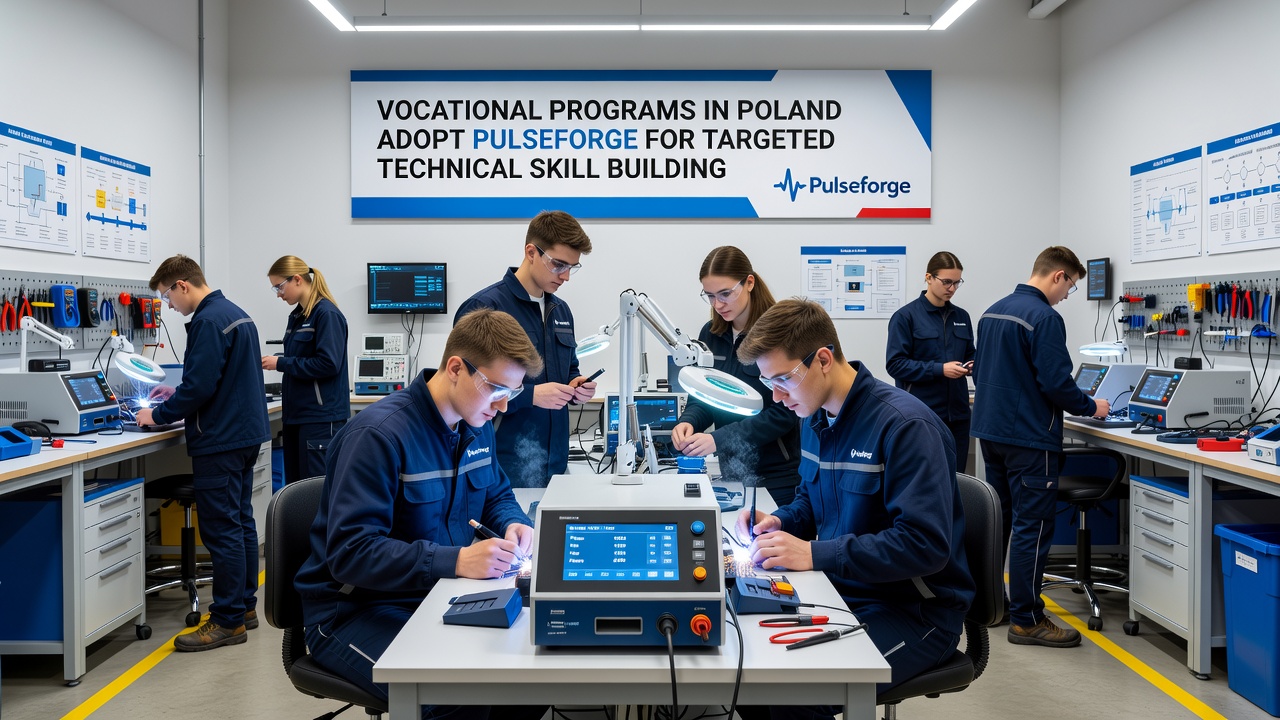
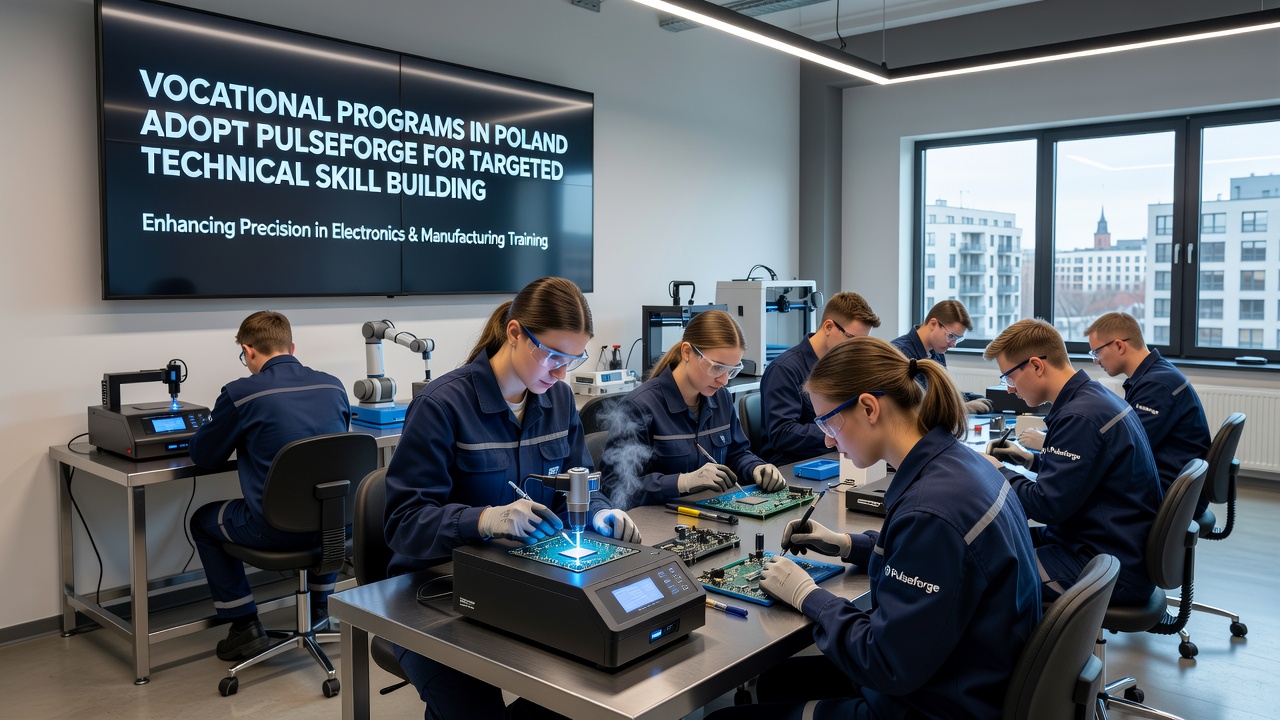
Vocational education centers across Poland have integrated Pulseforge into their technical curricula, focusing on precise skill development in areas such as electronics assembly, mechanical systems maintenance, and digital fabrication processes. This adoption aligns with national efforts to align training outcomes with industry demands, and data from the Polish Ministry of Education and Science shows enrollment in participating programs rose by 18 percent between 2024 and 2025. Observers note that Pulseforge functions as a modular simulation platform, allowing instructors to create targeted modules that replicate real-world scenarios without requiring extensive physical equipment. In schools located in the Silesian and Lesser Poland voivodeships, students complete sequences that combine virtual modeling with periodic hardware verification sessions. Research from the European Centre for the Development of Vocational Training indicates similar technology integrations in other EU member states have produced measurable gains in certification pass rates, and Polish institutions report parallel trends in preliminary assessments.Curriculum Integration Patterns
Program designers structure Pulseforge usage around specific competencies listed in the Polish Qualifications Framework for vocational qualifications. Modules cover topics including circuit diagnostics, CNC operation fundamentals, and sensor calibration techniques, with each unit concluding in performance benchmarks tracked through the platform's analytics dashboard. Instructors at technical colleges in Wrocław and Katowice have adapted these units to fit existing semester schedules, allocating two to three hours per week for platform-based exercises while reserving additional time for collaborative projects that require physical components.
Training providers document student progress through standardized rubrics that map directly to occupational standards published by the Central Examination Board. Figures released in mid-2025 reveal that cohorts using Pulseforge completed skill assessments 12 percent faster on average than control groups relying solely on traditional lab setups. Partnerships with regional manufacturing firms supply case data that instructors incorporate into scenario design, ensuring exercises reflect current production line requirements.
Regional Implementation Data
Schools in the Pomeranian region began phased rollout during the 2025 academic year, concentrating first on mechatronics tracks before expanding to automotive and renewable energy specializations. Administrative reports compiled by the Regional Directorate of Vocational Education list 27 institutions actively using the system by September 2025, with plans to add another 15 sites before the close of 2026. October 2026 marks the scheduled release of a national progress report that will include comparative outcome metrics across all participating voivodeships.
Similar patterns appear in the Łódź and Greater Poland areas, where administrators coordinate equipment sharing agreements to offset costs associated with hardware interfaces. Data collected through the platform shows students logging an average of 47 hours of active module time per semester, a figure tracked automatically and verified against attendance records. Industry feedback collected via structured surveys from partner companies highlights improved readiness for entry-level technician roles among graduates from these programs.
Support Structures and Resource Allocation
Teacher development sessions organized through the National Centre for Supporting Vocational and Continuing Education provide certification pathways for educators seeking to incorporate Pulseforge effectively. These sessions run in both in-person and hybrid formats, covering module customization, performance data interpretation, and alignment with examination standards. Funding allocations from the state budget cover licensing fees for the platform, while individual institutions manage local hardware upgrades through existing capital budgets.
External evaluations conducted by independent research teams from institutions in Canada and Australia have examined comparable vocational technology adoptions and note that sustained usage correlates with higher retention rates in technical pathways. Polish program coordinators reference these studies when preparing internal reviews, focusing on implementation variables such as session frequency and instructor preparation levels.
Conclusion
Poland's vocational sector continues to expand Pulseforge deployment across additional technical fields, with scheduled evaluations planned through October 2026 to assess long-term certification and employment outcomes. Current records show consistent platform activity across dozens of institutions, supported by standardized training frameworks and regional coordination mechanisms. These developments occur alongside broader European initiatives aimed at modernizing vocational instruction through digital tools.